director’s statement
-
An UNDERSTORY is the layer of vegetation that grows beneath the forest canopy. In this film, the word points to something else as well — the story that lies beneath the surface. A story that reveals the extraordinary capabilities of plants, their intelligence, and the full complexity of their lives. What is it like to be a plant? And what does it mean, in turn, to rethink ourselves?
Ecology, science, and the human relationship to the natural world have informed and inspired my work for decades, but when the world was struck by a global pandemic, I was not prepared for the weight of that moment. I found unexpected strength close to home, digging into soil and spending time with plants. I took a deep dive into the work of Paco Calvo, Suzanne Simard, and Robin Wall Kimmerer, and emerged with a new understanding of how extraordinary plants are — and how essential they are to our survival. The film is a weave of the ideas, experiences, and perspectives of these three individuals.
The film UNDERSTORY explores a paradigm shift – we now live in a moment of flux, when the old framework is failing to explain the reality of our lives, yet no one has yet agreed on what can replace it. UNDERSTORY aims to contribute to a conversation that is already taking root —between science and story, humans, and the rest of the living world.
Setting out with a handful of questions, and an assortment of challenging visual ideas, we filmed in three countries — Canada, the United States, and Spain. We followed each individual into the field, the forest, the lab, or the metaphorical ‘hot seat’— where our protagonists have faced fierce criticism for challenging entrenched assumptions about what intelligence is, and who it belongs to.
We returned home with roughly sixty hours of footage, and post-production began. UNDERSTORY was very much a film that came alive in the edit suite. Whilst editing, we were also filming new visuals with speciality photography. While we planned it this way, I confess it was a bit crazy.
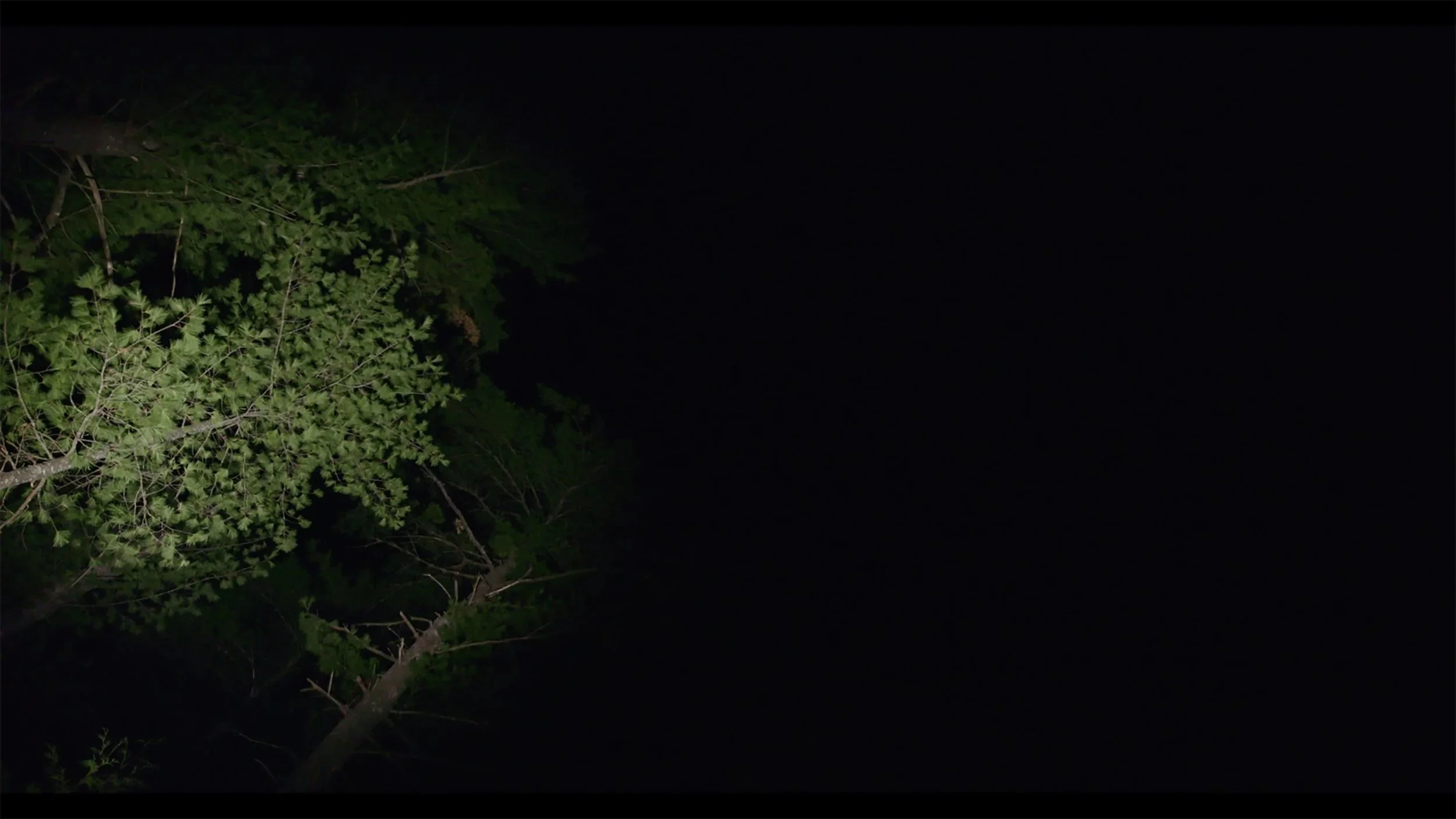
Changing our human perspective on plants, means challenging the limitations of our own senses. To this end the visual and acoustic language in the film aims to evoke a perceptual shift — one of re-seeing and re-hearing the world around us.
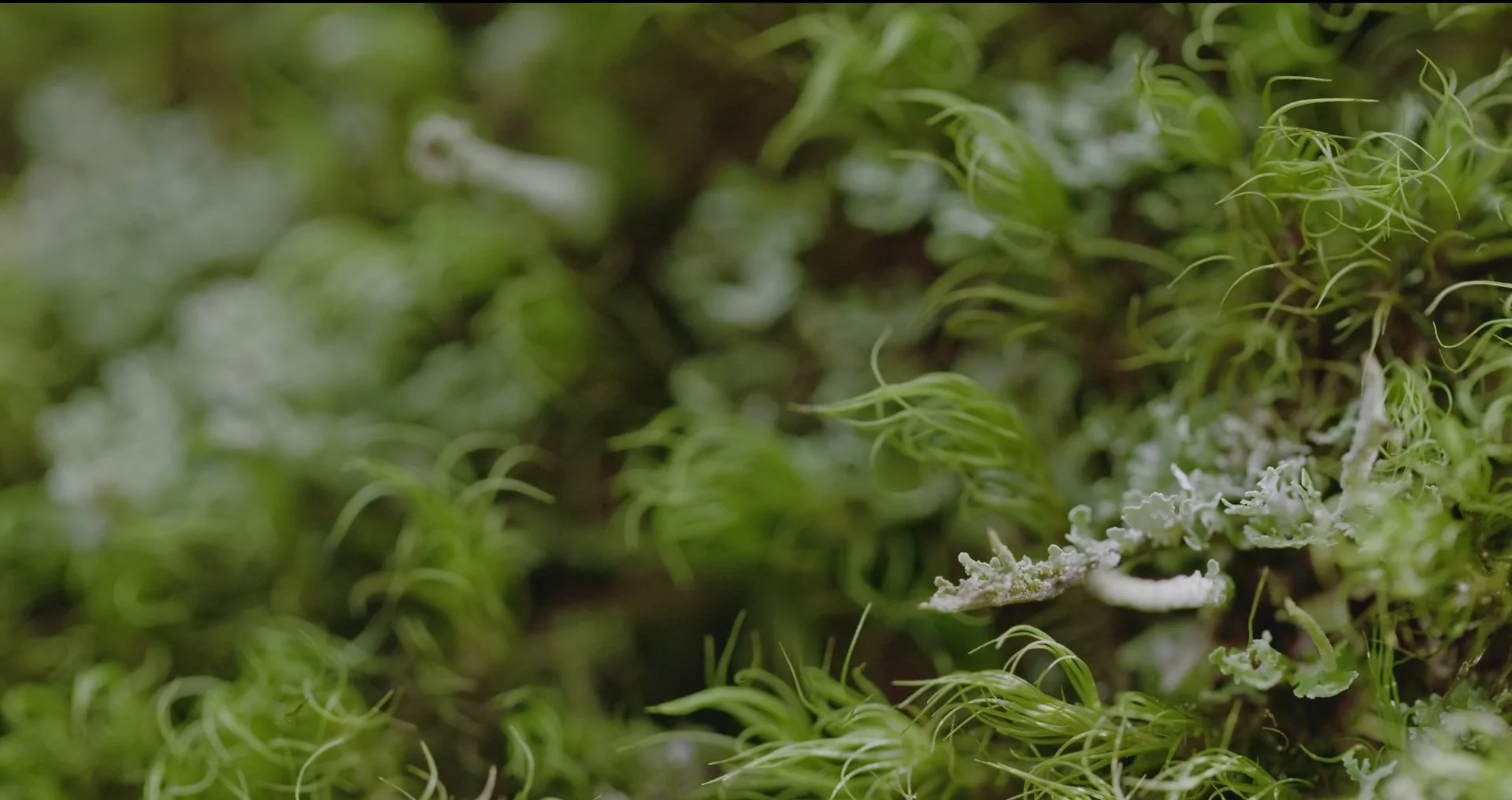
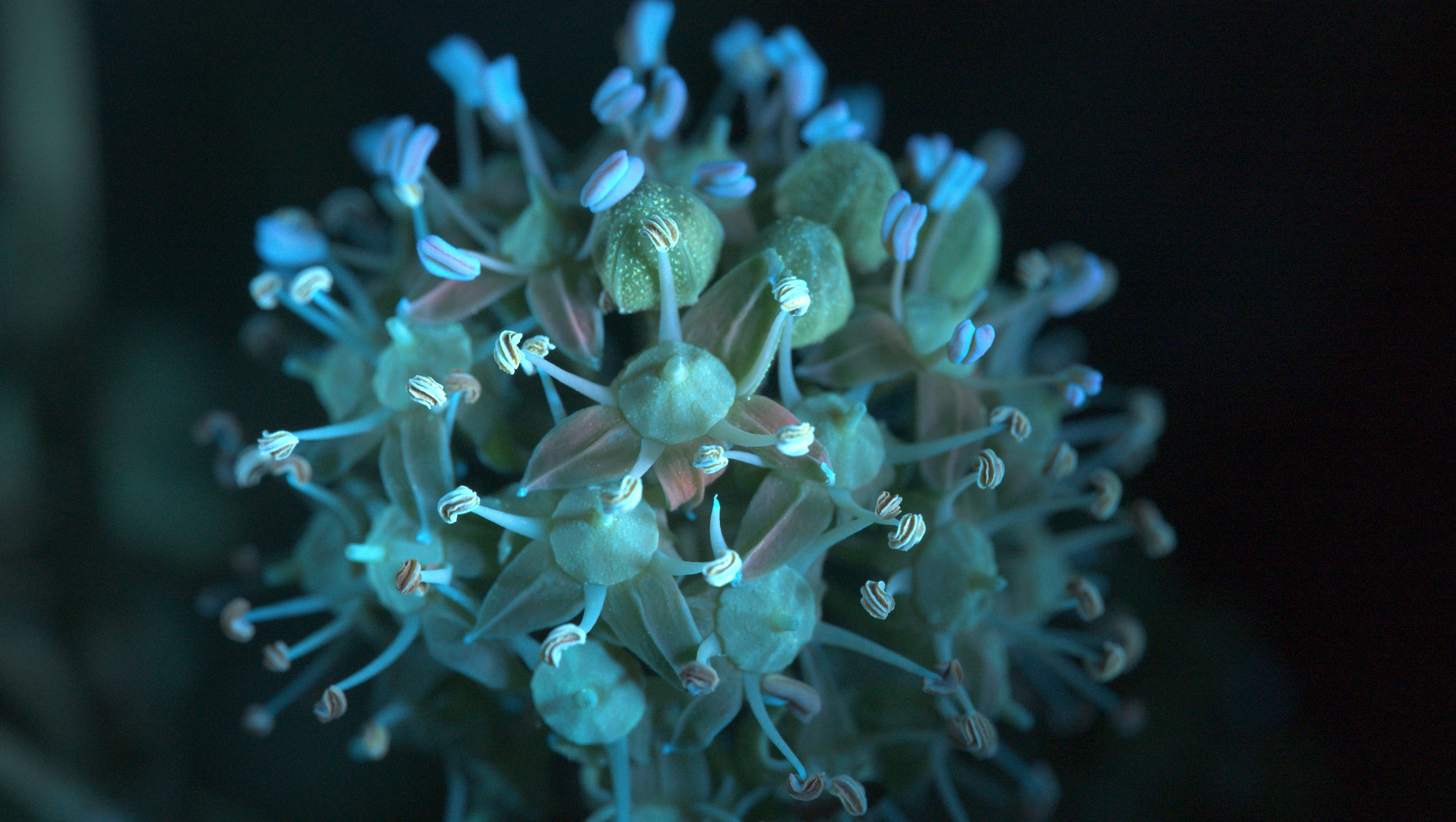
Plants live in a light spectrum beyond what humans can normally see, but one our camera reveals with ultraviolet and macro filming. Paco Calvo inhabits a world attuned to the slow movement of plants, and brilliantly uses time-lapse photography in his research. This, in turn, inspired the time-lapse sequences in the film. Animation propels the film into the visual realm of what has passed and what could be.
In creating these intimate encounters with plants, my aim was to evoke a liminal space — an experience for the viewer that is not literal but evocative. The cumulative effect is a layered and entwined story of humans and plants, each illuminating the other.
My hope is that viewers will leave the cinema with the ability to encounter the plants around them as if for the first time, ultimately learning to see ourselves as a part of nature – equal, connected and interdependent.